
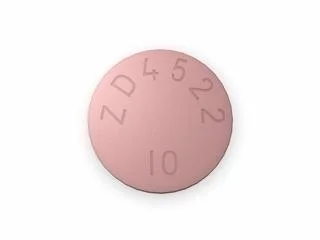
Rosuvastatin
Hypercholesterolaemia
5 · 10 · 20mg
Rosuvastatin 5, 10 and 20 mg tablets, a potent statin that lowers LDL cholesterol and cardiovascular risk, the ingredient in Crestor.
FromUS$1.24/ tabletView
Rosuvastatin (Crestor) is a lipid-regulating medication effective in managing cholesterol levels. By blocking enzymes necessary for cholesterol production, it supports long-term heart health. It is listed here as Rosuvastatin tablets. These products are available to order here.
Hypercholesterolaemia
5 · 10 · 20mg
Rosuvastatin 5, 10 and 20 mg tablets, a potent statin that lowers LDL cholesterol and cardiovascular risk, the ingredient in Crestor.
Rosuvastatin belongs to the statin class of medicines. It is specifically formulated to lower low-density lipoprotein (LDL), often called bad cholesterol, and raise high-density lipoprotein (HDL), the good cholesterol. The availability of multiple brands ensures that various options for consistent lipid regulation exist for individuals managing their health.
This medication is primarily used for the treatment of Hypercholesterolaemia. It is also frequently indicated as an adjunct therapy for Cardiovascular Risk Reduction in patients with high lipid profiles. By addressing elevated cholesterol levels, it supports the maintenance of cardiovascular health and manages cholesterol synthesis.
The active compound functions by inhibiting HMG-CoA reductase, an enzyme found in the liver that plays a central role in the production of cholesterol. By reducing the activity of this enzyme, the liver processes more LDL cholesterol from the blood, thereby lowering systemic levels circulating throughout the body.
The original brand is Crestor; Roszet, sold elsewhere, combines rosuvastatin with ezetimibe. These are typically available as a Film-coated tablet for once-daily dosing. Selecting the right option within Cholesterol Management often depends on individual dosage requirements and personal preference for specific generic manufacturers.
Ensure that your kidney and liver function are appropriate for statin therapy. Review any history of muscle-related issues or sensitivities to previous cholesterol medications before starting a course.
Common observations include digestive discomfort, muscle soreness or fatigue. While many users tolerate the medication well, monitor for any persistent muscle pain or unusual weakness and discontinue use if these symptoms occur.
Certain blood thinners, immunosuppressants, or other lipid-lowering compounds may interact with this statin. Avoid heavy use of alcohol during treatment to protect liver function. Product labelling and verified clinical sources remain the correct references for specific contraindications, interactions and reactions.
Last updated