
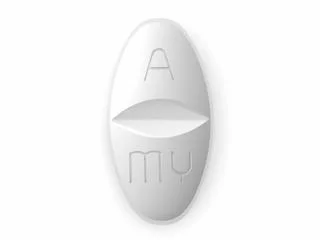
Metoprolol
Hypertension, Angina Pectoris
25 · 50 · 100mg
Metoprolol 25, 50 and 100 mg tablets, a beta blocker for high blood pressure, angina and heart failure, the ingredient in Betaloc and Lopressor.
FromUS$0.56/ tabletView
Metoprolol (commonly known by brands like Betaloc and Lopressor) is a beta-blocker widely used to manage conditions related to cardiovascular health. It serves as a staple treatment by regulating heart rate and reducing strain on the heart muscle. This medication is available as four generic formulations, ranging from immediate-release to modified-release options.
Hypertension, Angina Pectoris
25 · 50 · 100mg
Metoprolol 25, 50 and 100 mg tablets, a beta blocker for high blood pressure, angina and heart failure, the ingredient in Betaloc and Lopressor.
Metoprolol is a medication that belongs to the beta-blocker class. Its primary role in healthcare is to regulate cardiac activity, making it a foundation for long-term cardiovascular management. Because individuals respond differently to therapy, manufacturers produce this ingredient in several variations, from standard to modified-release tablets, to support tailored care plans.
This medication addresses several cardiovascular issues. It is frequently employed to manage Hypertension and reduce the workload on the heart. It is also used to address Angina Pectoris by easing symptoms related to restricted blood flow and oxygen supply to the heart muscle.
Metoprolol functions by blocking specific receptors in the body known as beta-adrenergic receptors. These receptors normally respond to adrenaline, which increases heart rate and blood pressure. By blocking this response, the medication allows the heart to beat more slowly and with less force, which decreases blood pressure and improves overall cardiac efficiency.
The brand range for this ingredient includes well-known names such as Betaloc, Lopresor, Beta-adalat and Betaloc SA. These brands often serve as the reference point for the various generic formulations available in our Heart & Blood Pressure.
Patients may choose between different delivery systems based on how they process the medication or the desired release profile. Available forms include:
Ensure you are aware of your existing health conditions, particularly regarding pulse rate or history of heart blockages. Verify that the chosen formulation matches the specific release requirements noted by a provider.
Common responses can include feelings of fatigue, dizziness, or cold extremities as the body adjusts to a lower heart rate. These effects often subside with consistent use. Monitor your reaction to the medication, especially when starting a new brand.
Other circulatory medications or treatments for systemic conditions can interact with this ingredient. Product labelling and verified clinical sources remain the correct references for specific contraindications, interactions and reactions.
Last updated