
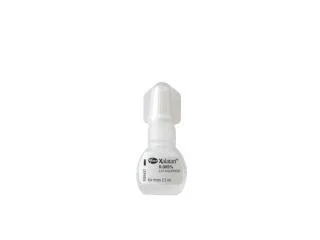
Latanoprost
Glaucoma, Ocular Hypertension
2.5ml
Latanoprost 0.005% eye drops, a prostaglandin that lowers eye pressure in glaucoma and ocular hypertension, the ingredient in Xalatan.
FromUS$66.67/ bottleView
Latanoprost is a prostaglandin analogue medication, widely recognised by the brand name Xalatan. It is primarily used to address Glaucoma and Ocular Hypertension. This active compound is available as a single formulation, used to lower internal eye pressure.
Glaucoma, Ocular Hypertension
2.5ml
Latanoprost 0.005% eye drops, a prostaglandin that lowers eye pressure in glaucoma and ocular hypertension, the ingredient in Xalatan.
Latanoprost acts as a synthetic prostaglandin F2-alpha analogue. By increasing the outflow of fluid from the eye, it reduces the pressure that potentially damages the optic nerve. It serves as a standardised approach for long-term management of conditions related to excessive ocular fluid retention.
This medication addresses chronic conditions where intraocular pressure is elevated. Beyond managing primary Glaucoma, it is used to treat Ocular Hypertension to prevent or slow vision loss.
Treatment often involves selecting between established brands like Xalatan and Monopost, or their generic equivalents. This ingredient is specifically formulated as eye drops, which provides targeted, direct application to the eye. For a wider range of supplies, browse our Eye Care collection.
Ensure you have confirmed the specific grade of eye pressure with a professional. Review the product packaging for inactive ingredients if you have known sensitivities to preservatives or buffers often found in ophthalmic solutions.
Common reactions include a mild change in eye colour, stinging upon application or redness. Some individuals may experience changes in the length, thickness or colour of eyelashes. These effects are usually local.
Latanoprost may interact with other ophthalmic preparations containing thiomersal. If you are using multiple types of eye drops, space their application by several minutes to ensure proper absorption. Product labelling and verified clinical sources remain the correct references for specific contraindications, interactions and reactions.
Last updated