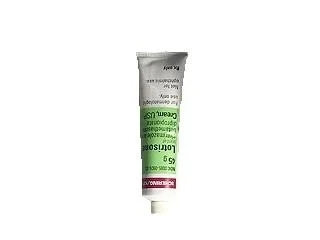
Key points
- Belongs to the azole class of antifungals and works by breaking down the fungal cell membrane so the organism cannot spread.
- Treats fungal skin infections and skin conditions where a secondary fungal element is involved.
- Applied as a cream, ideally to skin that has been cleaned and dried first, with people sensitive to azole compounds advised against use.
- May cause mild irritation, redness or stinging at the application site, and a developing rash warrants medical attention.
What is Clotrimazole?
Clotrimazole belongs to the azole class of medications. It functions by disrupting the cell membrane of the fungus, which prevents it from spreading or surviving on the surface of the skin. Because it targets the cell wall structure specifically, it is a focused tool against a range of dermatological concerns.
What Clotrimazole is used for
Applications of this ingredient primarily address Fungal Skin Infection instances. Usage also extends to addressing conditions classified under Dermatosis that involve secondary fungal growth. By reducing the surface area affected by the fungus, the medication supports the recovery of the skin barrier.
Topical formulations containing this active ingredient exist as a cream. Specialized products allow for targeted application directly to the affected area, ensuring the medicine stays on the skin for consistent action. Within Skin Care, selecting the right consistency or strength remains important for comfort and effectiveness.
Safety overview for Clotrimazole
What to check before using this medicine
Clean the affected area and ensure it is dry before application. Individuals with known hypersensitivity to azole compounds should avoid using this product. Check the label for specific warnings regarding application frequency or duration.
Possible reactions and tolerability
Users may experience mild local skin irritation, redness, or stinging upon application. If excessive burning or a rash develops, consult a clinical provider. These reactions are typically minor but require monitoring.
Interactions and health factors
Be aware of other topical treatments used on the same area. Product labelling and verified clinical sources remain the correct references for specific contraindications, interactions and reactions.
Further reading